LIPROTEC
Easy to install, securely sealed, up to 16 million colours: Add impressive lighting effects to your wall and floor coverings with Schlüter-LIPROTEC LED illuminated profiles.

Lighting in residential and commercial spaces can provide a sense of security, create structure and even add creative effects. Choosing the proper lighting features and colours to accentuate your rooms can have a positive influence on your living and workspace experience, as well as on the prevailing mood.
Light is much more than simply a means of keeping darkness at bay: It is regarded as the fourth dimension of architecture; it can help to structure spaces, stimulate emotions and enhance experiences. A carefully considered spatial concept should therefore always include the lighting – because it contributes to safety and orientation as well as to the ambience and well-being of the space.
Light is regarded as the fourth dimension of architecture and plays an important role in the interior design and creating a sense of well-being. That's because light creates a certain mood, makes rooms seem more inviting, highlights interesting details and can even make dark corners disappear. It is somewhat similar to an invisible architect who plays a pivotal role in shaping the feeling of well-being within a property and, ultimately, the quality of the experience it offers. Lighting can have a profound effect on the ambience and overall feel of a room – through the colour of the light, as well as due to a thoughtfully arranged and perfectly balanced lighting concept.
Material structures and textures such as exposed concrete, wood or natural stone, for example, can be highlighted using appropriate lighting. Well-placed lighting lends a room depth and perspective by establishing boundaries or enhancing the field of view. More than that, light acts as a natural regulator for our internal clock and its changing needs throughout the day. The lighting for a room should, therefore, always be considered as a whole and combine several light sources from the three types of lighting in a harmonious and practical way:
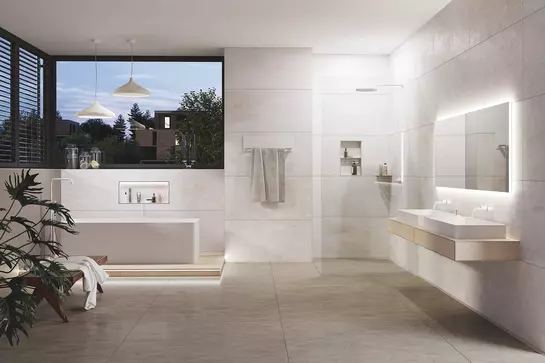
The primary lighting, made up of built-in spotlights and pendant lights, is complemented by functional lighting above the mirror as well as accent lighting in niches and along skirting boards.
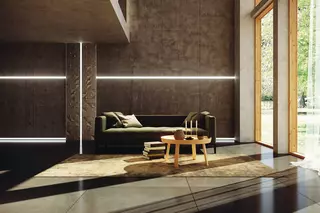
This residential area combines generous amounts of daylight with lighting profiles integrated into the tiled covering, the colour of which can be adjusted to suit the time of day and the mood.
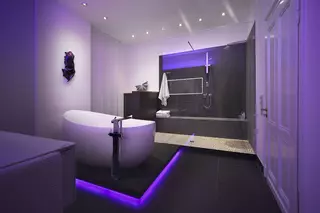
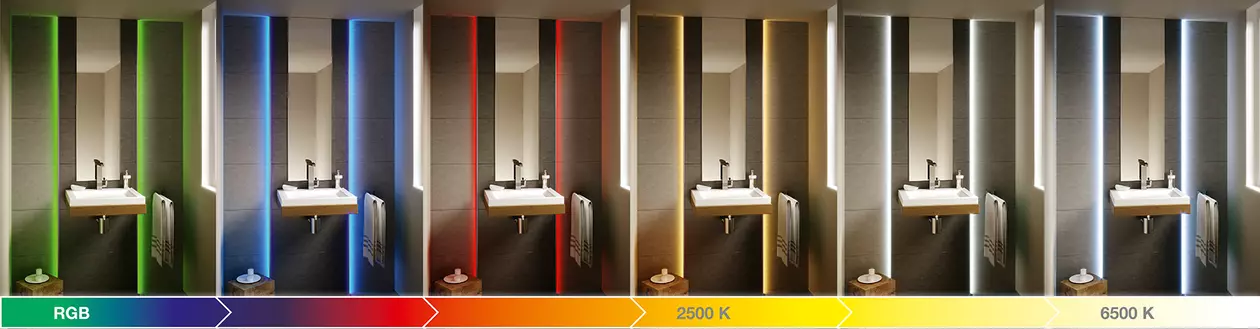
LED modules in the RGB+W light spectrum makes it possible to choose from more than 16 million hues and colour temperatures – entirely according to your mood and taste.
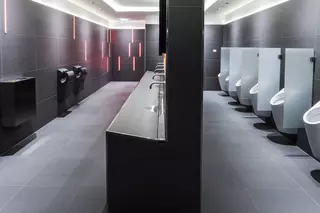
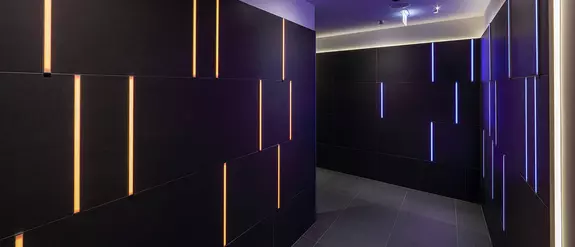
Washrooms and bathroom areas require a combination of neutral lighting and a welcoming atmosphere. The colourfully illuminated profiles create a visual division of the space in this men’s room.
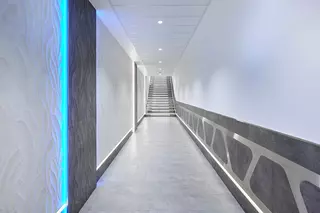
The illuminated profiles across the lower section of the wall are designed to guide visitors visually, whereas backlit wall panels featuring individually adjustable light colours provide accent lighting.
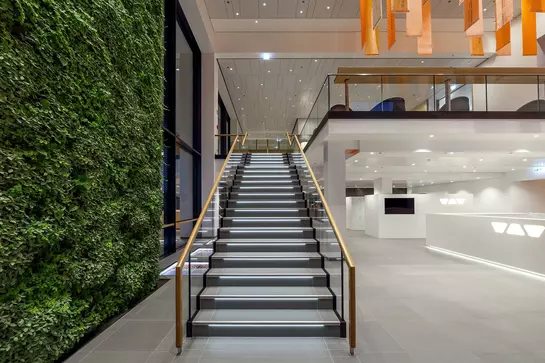
Functional lighting exactly where it is needed. The thoughtfully designed lighting for staircases and walkways in the Schlüter-WorkBox plays an important role in ensuring the safety of visitors while the accent lighting creates a welcoming atmosphere.
From activity to relaxation: Not only does light ensure visibility and, hence, safety, but also acts as a natural regulator for our biological processes, which affect our well-being, energy levels and sleeping patterns. Light has a direct effect on the brain through the retina of our eyes, and can therefore have a immediate impact on our hormonal balance. When the body does not get enough light, it releases less of the 'feel-good hormone' serotonin – a chemical messenger that is considered decisive for contentment and a good mood. The dark winter months are also responsible for higher levels of melatonin production in our bodies, which can act as a natural remedy for insomnia.
More energy and a better mood – simply through a bit more light or a different kind of light? The fact is: Numerous studies have shown that good lighting can improve well-being and, by extension, the ability to concentrate. Light, therefore, has a substantial influence on our circadian rhythm (that is, biological clock) and plays a considerable role in our natural sleeping and waking cycles. No wonder then that doctors, psychologists and interior designers recommend greater exposure to light. It is important to integrate light into our homes or workplaces in such a way that it energises us when we need to perform at our best, and helps us to relax when we want to switch off.
Light is intrinsically linked to numerous biological mechanisms – and the human body is no exception. It is fundamentally dependent on the light spectrum: impulses controlled by the retina directly influence our hormonal balance and, hence, our circadian rhythm.
This particular insight is precisely what lies behind Human Centric Lighting (or HCL for short). As human beings, the lighting concept places us at the forefront by providing the light to meet our biological needs at all times of the day. Because our circadian rhythm – that is, our biological clock – is regulated by natural daylight, which changes dynamically throughout the day in terms of light intensity and colour temperature: at sunrise and sunset, the natural colour temperature is distinguished by a high level of yellow and red, compared to midday when it is dominated by blue. This makes it straightforward to work out which type of light is suitable for which purposes:
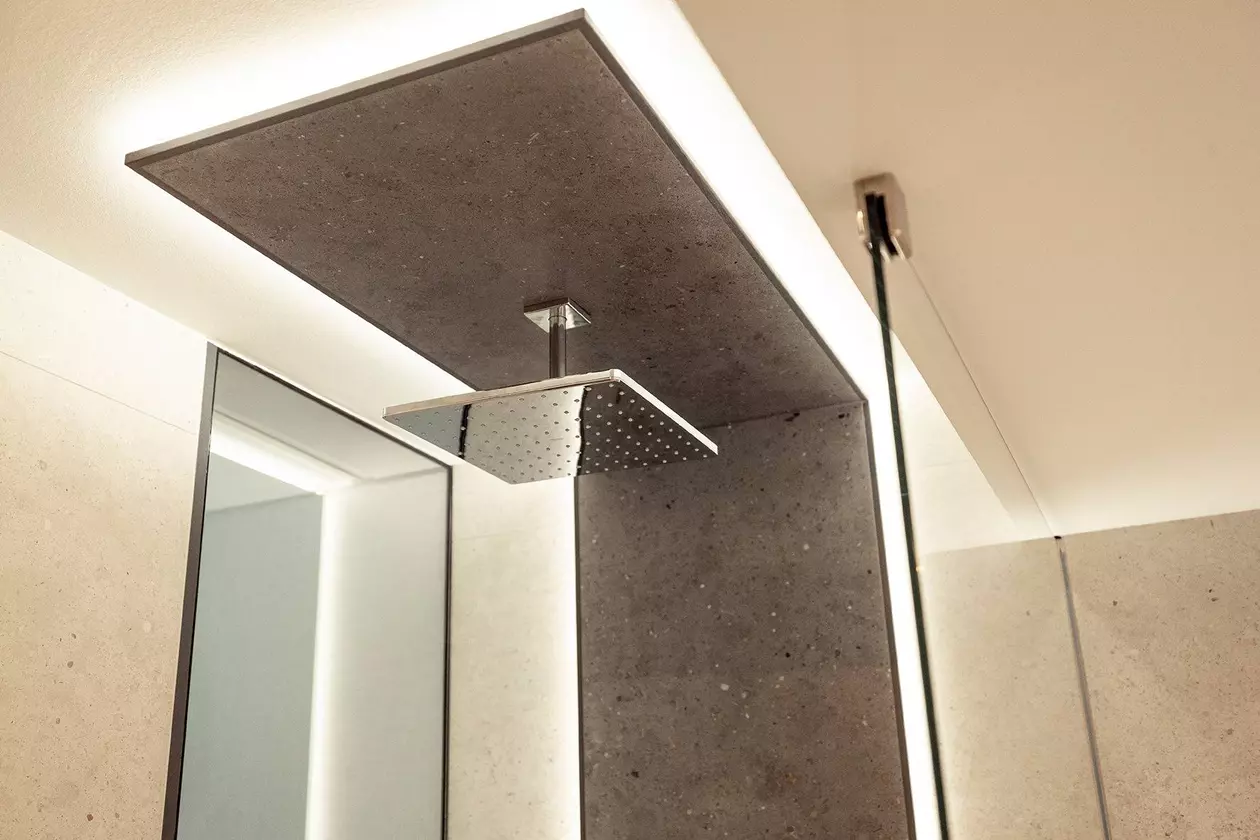
A well-lit shower is just the thing for an energy boost in the morning, as colour temperatures similar to those of natural daylight have an invigorating effect on our biological rhythms. Indirectly installed, as here using wall-mounted installations or even niches, the lighting is nevertheless pleasantly glare-free. Many lighting profiles can also be individually adjusted in terms of colour temperature.
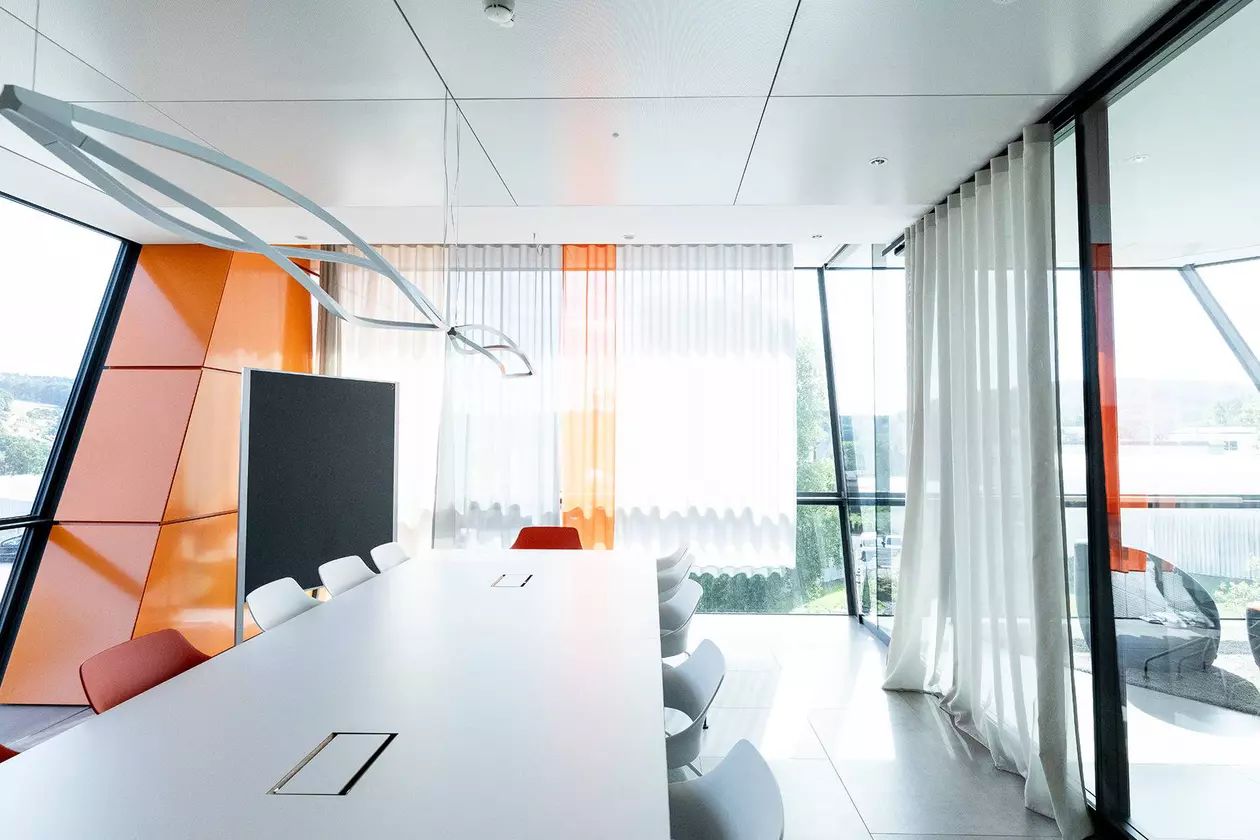
Adequate lighting at the workplace is essential for the safety of the employees and is regulated in Germany by the Workplace Ordinance. Generally speaking, it is advisable to have as much natural light as possible, as this improves your well-being and prevents fatigue. Reflections or dazzling effects should be avoided and, in an ideal scenario, the lighting for each workstation should be individually controlled.
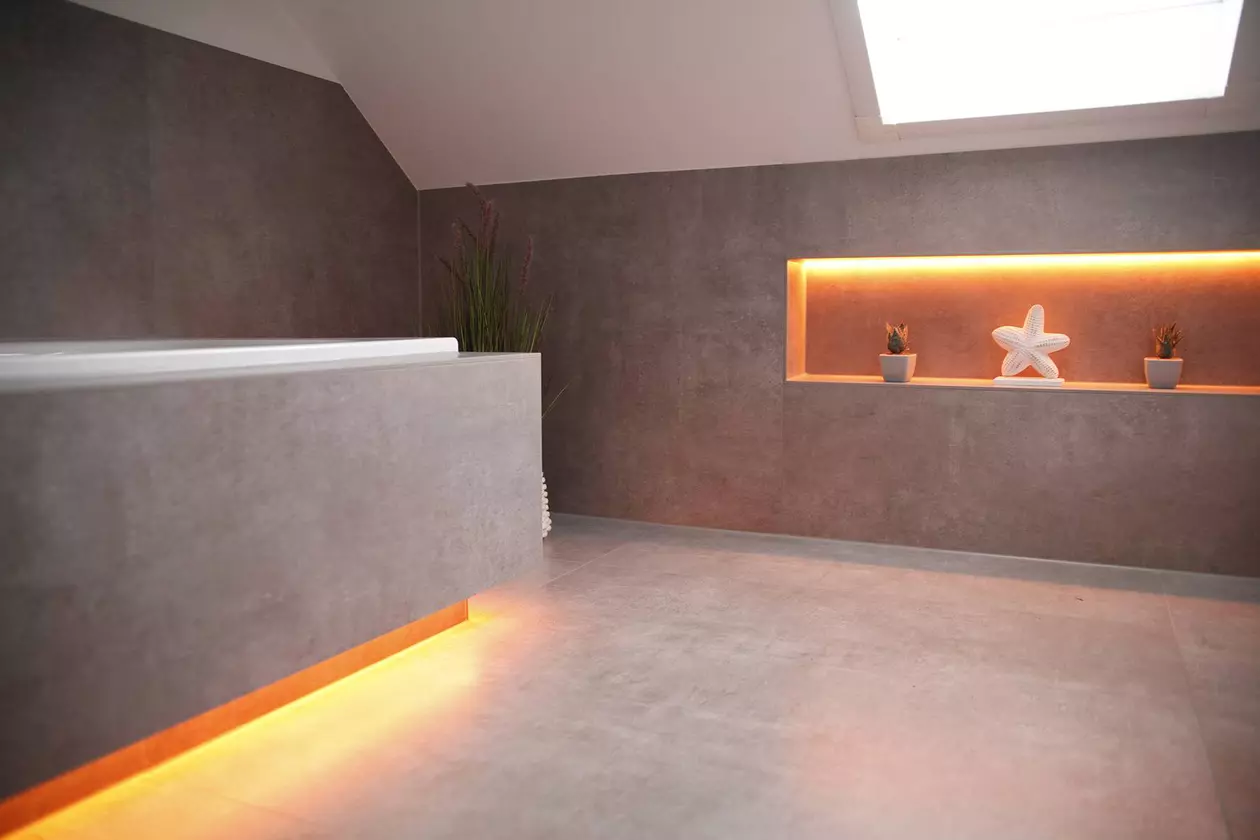
The stimulating blue light of the day is no longer necessary in the evening, as the body needs darkness to calm down. Melatonin, our sleep hormone, is formed in the pituitary gland and is then released into the bloodstream – provided that the gland receives a signal from the eyes and brain that the day is drawing to a close. To get a refreshing night's sleep, therefore, turn off the blue (screen) light and switch on some warm lighting!
The circadian rhythm is our body's internal clock: a biological process that lasts approximately 24 hours and regulates physiological functions such as the cycle of sleeping and waking, hormonal levels and body temperature.
The circadian rhythm is synchronised primarily by light: Light-dark information is transmitted through the eye and optic nerve to the suprachiasmatic nucleus in the hypothalamus.
Shift work, international flights, irregular sleeping patterns: When periods of sleep and darkness do not coincide, the body’s internal clock is disrupted. Sleep deprivation, poor performance and metabolic problems are possible outcomes.
Whether a room feels welcoming or motivates us to peak performance depends on the colour – or, in other words, the colour temperature – of the light. It influences the effect of a light source, i.e. whether it has a more exhilarating or relaxing effect. The colour temperature is measured in degrees Kelvin (K): the lower the value, the warmer the emitted light appears to us. Since workspaces and kitchens require different lighting from living and sleeping areas, for example, certain colour temperatures make sense when choosing lighting, that depend on personal preferences, design concepts and how the room is used:
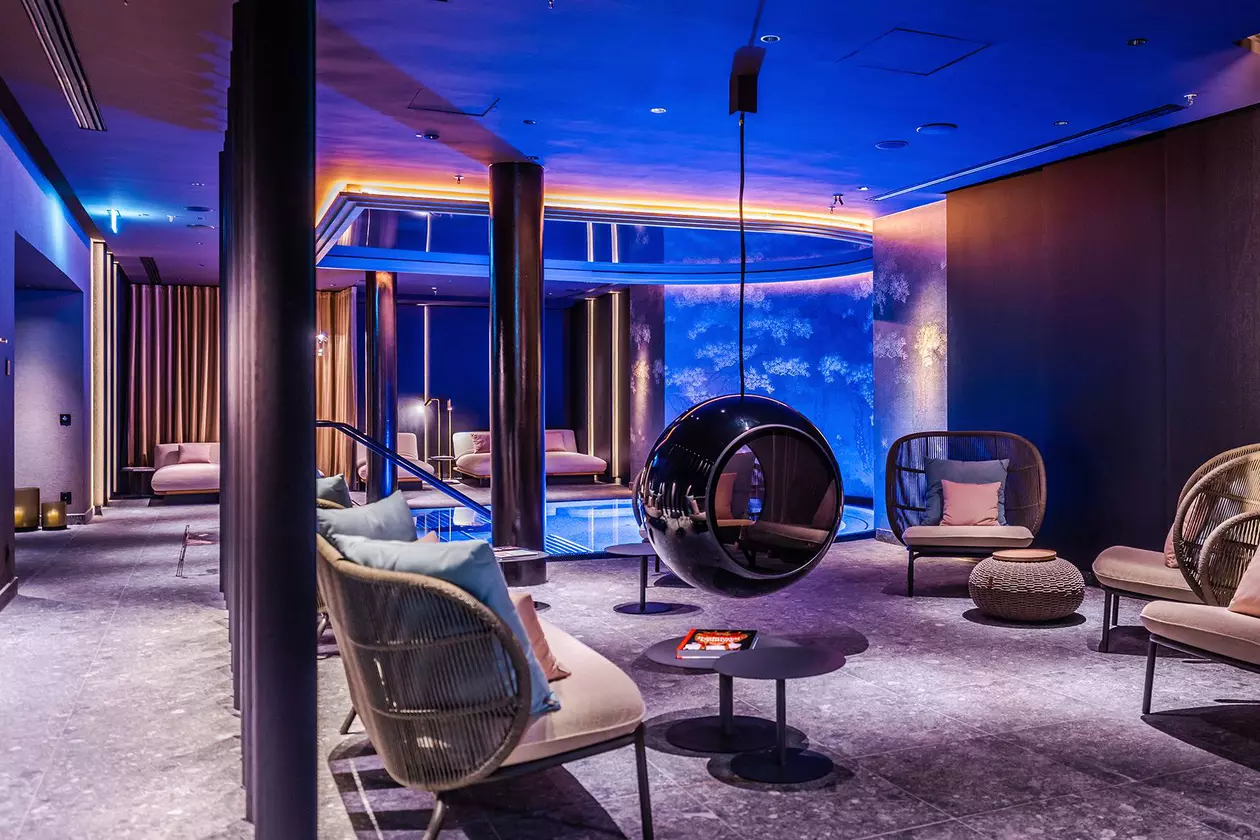
Favourite colours are, of course, a very personal choice, which also lend their own individual character to the interior design styles and elements of a room. Colours also influence how we feel and can evoke a wide range of completely different emotional responses. This colour psychology is also employed in interior design, for example when bars and restaurants welcome their guests with cosy shades of orange, or when spa facilities are brightly lit in fresh shades of blue. In living spaces, lighting fixtures with colour-changing functions offer freedom of design and allow the light to be adapted to moods, occasions or times of day and seasons.
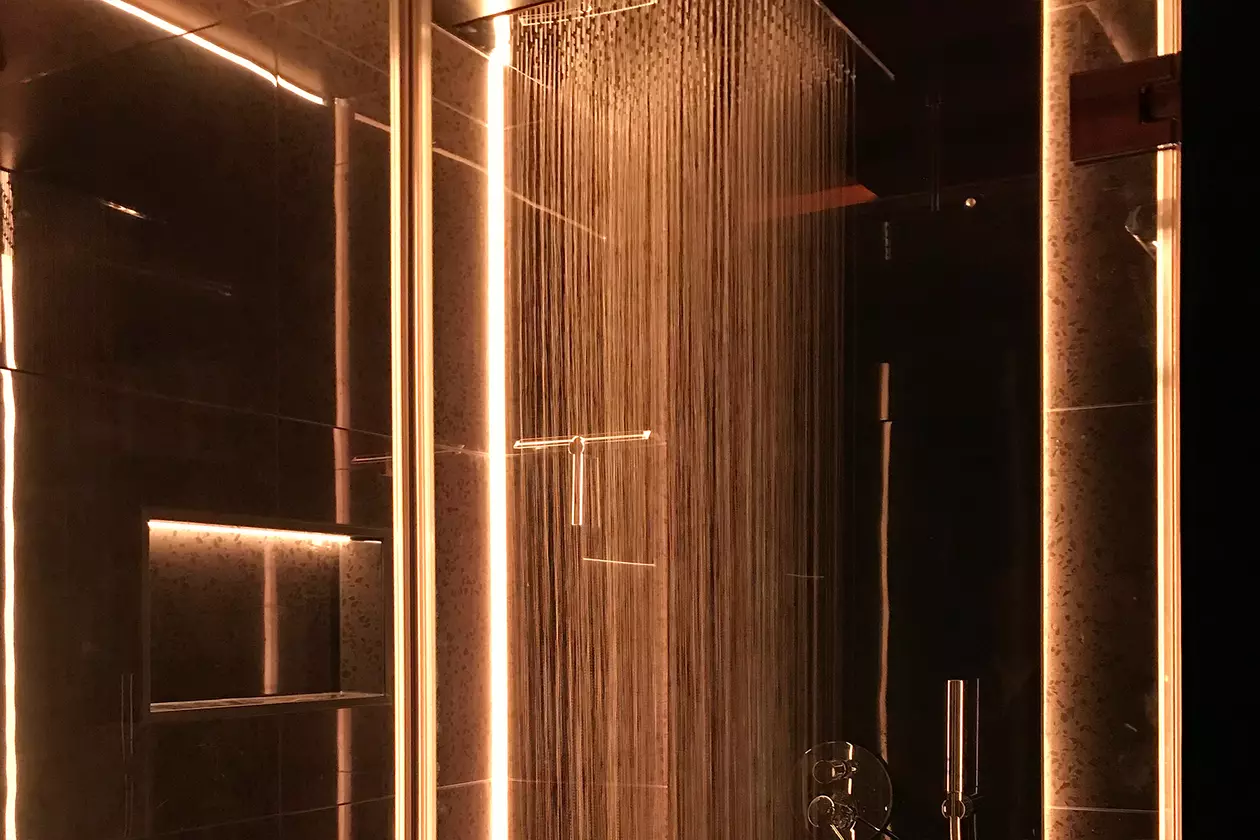
Light sources with a warm white colour spectrum of between 2,700 and 3,000 Kelvin help to create a cosy atmosphere and a sense of comfort, particularly when used as indirect lighting. This makes them just as suitable for comfortable living rooms and bedrooms as they are for appealing hotel rooms or restaurants. They are also a good choice for illuminated showers: During your evening bathroom routine, warm white light gives the surroundings a calming effect, which is appreciated as a pleasant way to round off the day.
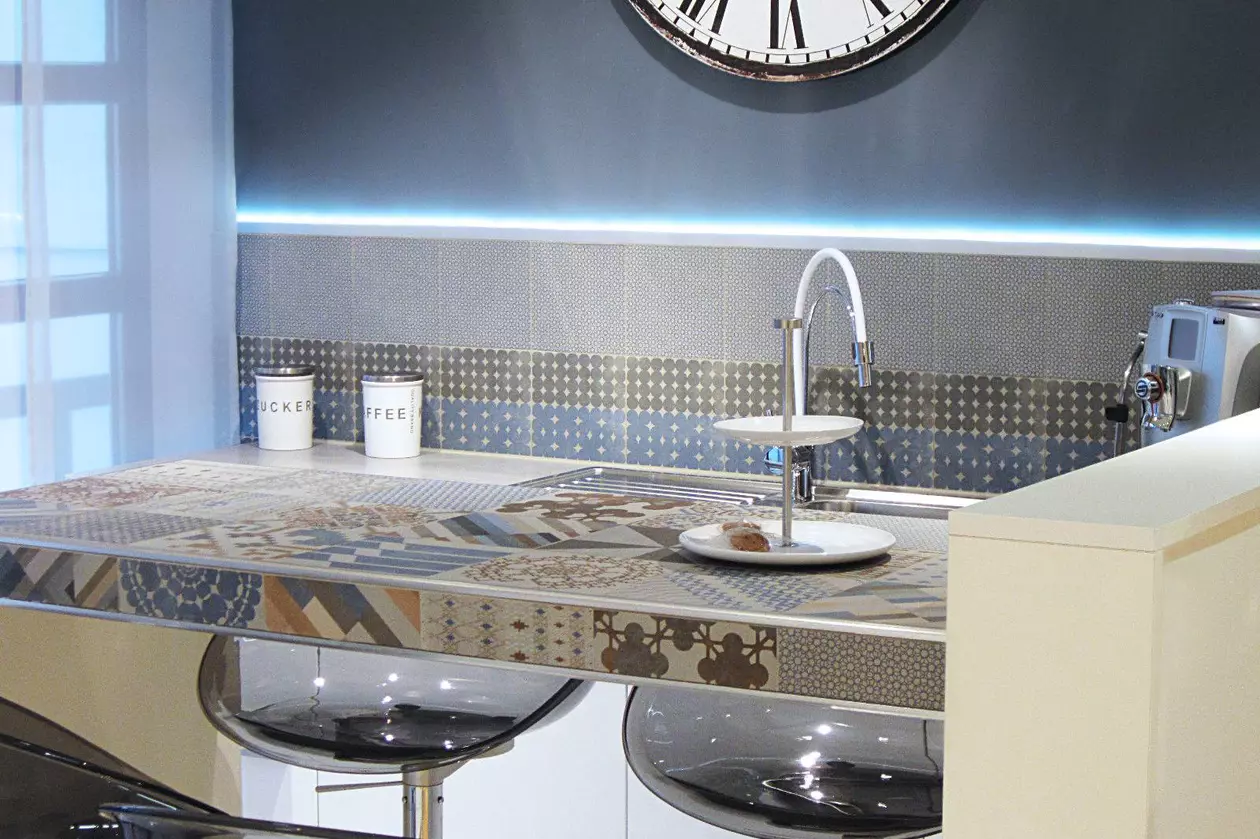
Neutral white light sources of between 3,000 and 5,300 Kelvin ensure natural lighting conditions and create a neutral, professional atmosphere. Because they normally reproduce colours relatively true to life, they are well suited to commercial and domestic functional areas, such as kitchens, workspaces, staircases or hallways. Neutral white light is also perfect for functional zone lighting, such as above the bathroom mirror, in reading corners or above worktops.

Daylight from 5,300 Kelvin and above is made up of all the colours of the spectrum, but has a particularly high level of blue. This light spectrum is equivalent to a brightly lit sky at midday and is especially effective from a biological standpoint. Studies indicate that exposure to light enriched with blue frequencies of up to 17,000 Kelvin makes us feel particularly energised and can even reduce eye strain and headaches. That is why this type of lighting is used predominantly in work areas – such as industrial and warehouse buildings, factories and production halls, as well as in commercial premises and offices.
Sunrise/sunset (golden hour): 2,800–3,300 K
Midday sun: 5,500–5,800 K
Overcast sky: 6,500–7,000 K
Dawn/twilight (blue hour): around 10,000 K
Candle: around 1,500 K
Light bulb: around 2,800 K
Daylight lamp: 5,500–7,000 K
LED lights: 2,700–7,000 K