
8 Advantages of floor heating systems
Energy-saving, cosy, hygienic: Discover the many advantages of a floor heating system, from installation and heating costs to heat distribution.

Using a floor heating system efficiently: Do you know how? A few simple tricks will make your heating system run more efficiently, provide cosy warmth and save you money.
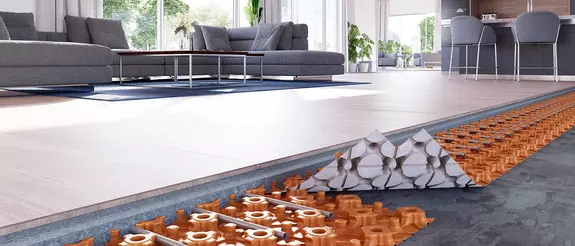
Around two-thirds of the energy costs in German households can be attributed to heating – this represents enormous potential for savings that often goes unnoticed. Modern radiant panel heating systems make an important difference here: They provide the even distribution of gentle radiant heat around the room, ensuring an agreeable temperature while reducing consumption and costs. By cleverly utilising their strengths, maximum comfort can be combined with minimum expense. Our tips will help you get the most out of your floor heating system.
Choosing the right heating system – especially for a floor heating system – is more than just a question of technology. It is a decision that prioritises comfort, efficiency and lifestyle. Whether a new construction or a renovation, a spacious area or a cosy little oasis: Anyone looking to heat their rooms in a smart way needs to know which system is really right for them.
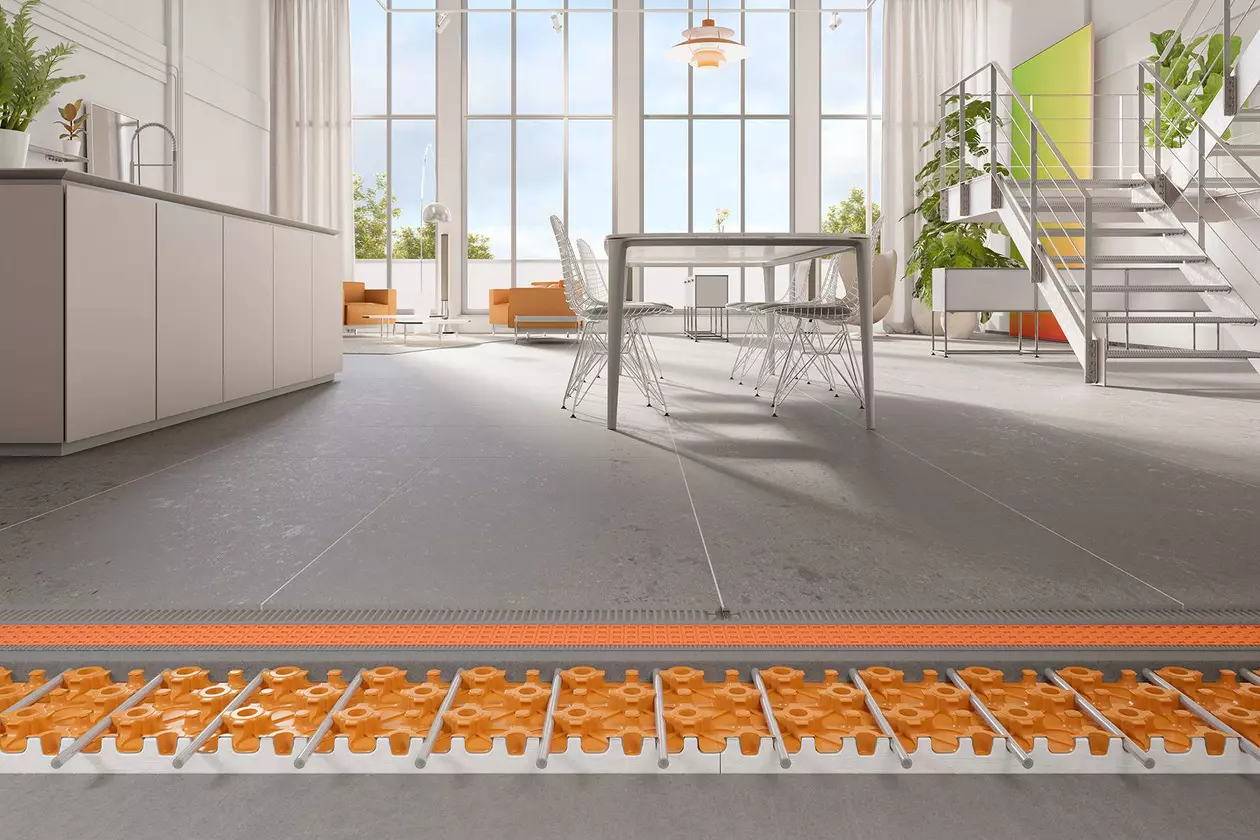
Pleasant radiant heat reaches every corner of the room and makes it feel cosy all round: That's exactly what a water-based floor heating system does. The warm water circulates through pipework, distributing the heat evenly and efficiently. Although the initial installation costs are higher, this investment pays off in the long term – especially if the system is integrated with renewable energy sources such as a heat pump or a solar thermal system. Large areas in particular benefit from this solution.
Schlüter-BEKOTEC-THERM makes this classic technology even more clever: The low assembly height means that less screed is required. Even in historic buildings, the thin-layer system is easy to integrate and the heat spreads a lot quicker – a real plus, especially if you don't like long warm-up times.
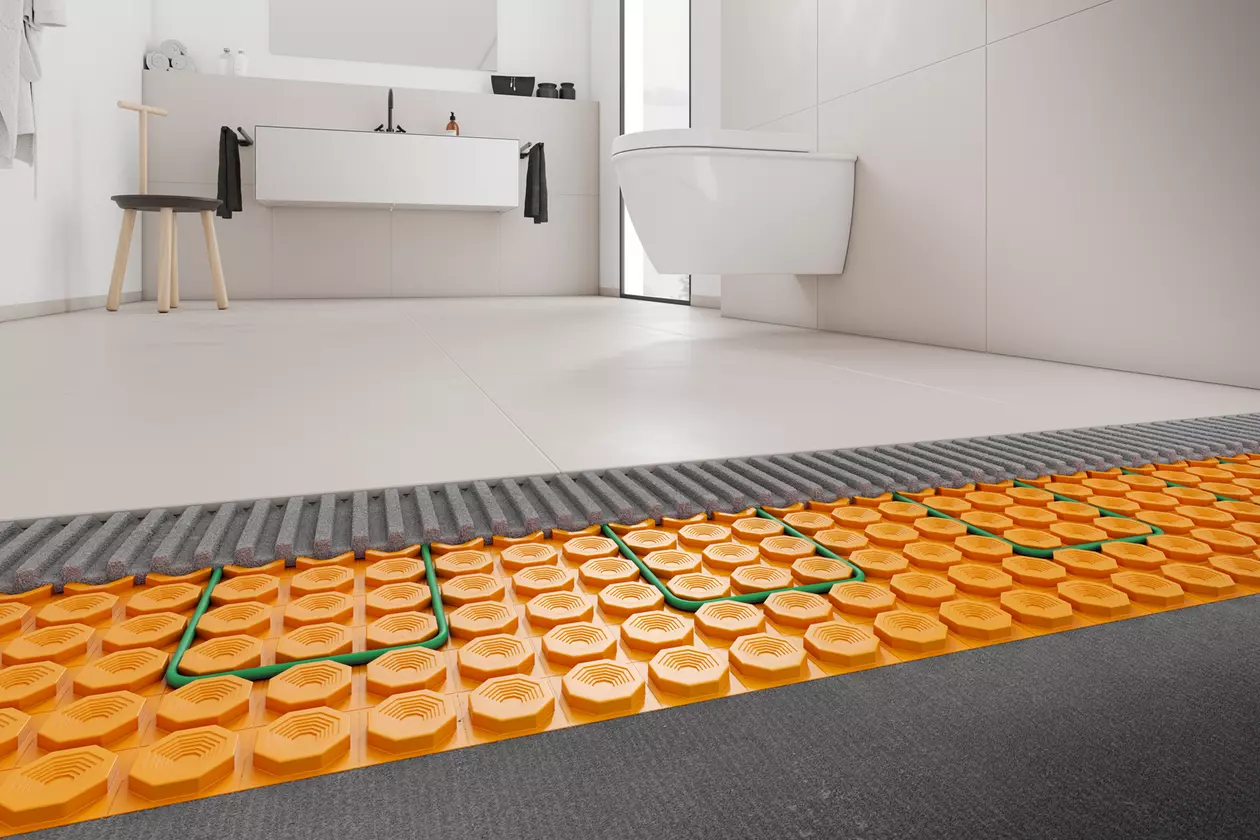
Sometimes less is more. For heating small areas such as bathrooms, electric radiant panel heating systems are the ideal solution. This is where heating mats or cables provide cosy warmth that is available quickly and exactly where it is needed. Installation is straightforward and cost-effective – ideal for anyone who wants to remain flexible.
Schlüter-DITRA-HEAT-E brings electric heating power to the floor, into the wall and can even be used in tiled seating areas. Thanks to the certified bonded waterproofing, the system can be used with confidence in bathrooms or other wet rooms. This is the perfect solution for those who love spot heating, elegantly combining comfort and safety.
Each room has its own story to tell: The living room is a place to relax, the kitchen is the social hub and heart of the home and the bedroom is a sanctuary of calm. Precisely for this reason, the heat should be directed to where it is needed. Consciously regulating the temperature has two advantages: greater comfort and significant savings. Even a 1 °C reduction makes a big difference – this can save around 6 percent in heating costs without noticeably reducing living comfort. Intelligent thermostats handle the fine-tuning and ensure that the preferred temperature remains constant.
Only the hydronic balancing, however, brings the system into the correct balance. It can be likened to a finely tuned orchestra: Each part of the heating system receives exactly the amount of heat it needs – not too much, not too little. This eliminates cold corners, prevents rooms from overheating and allows energy to flow through the house in the most efficient way possible.
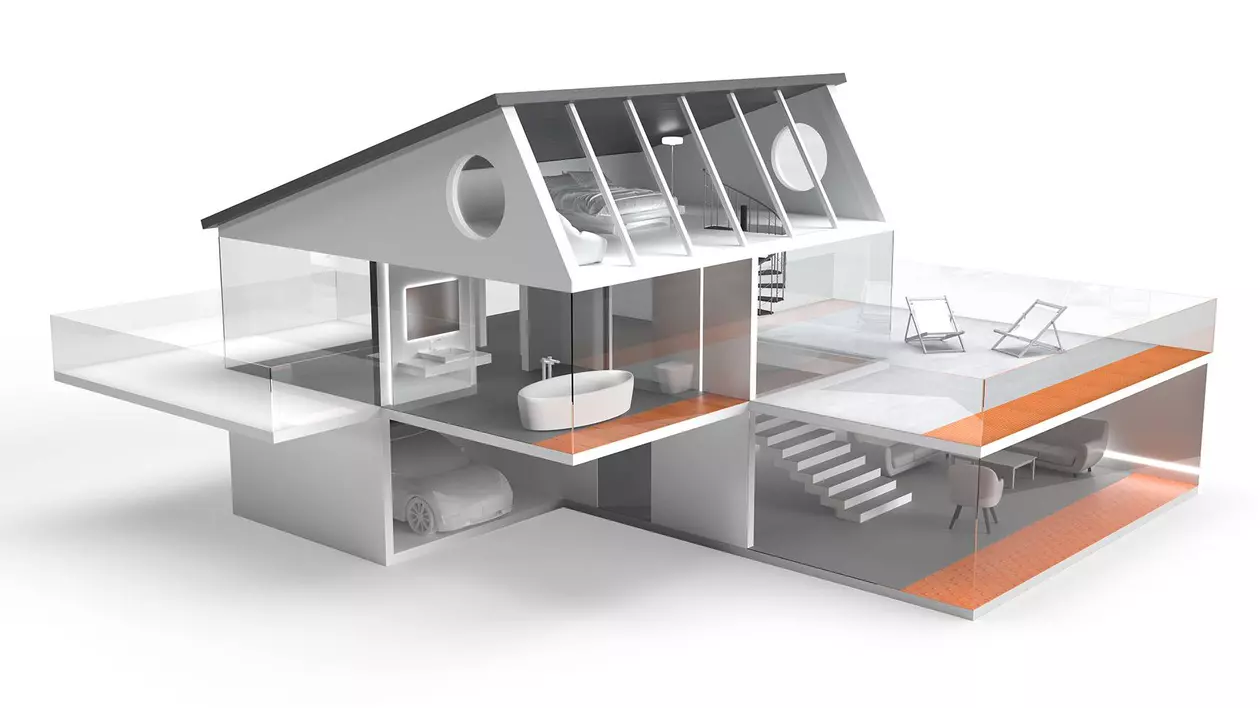
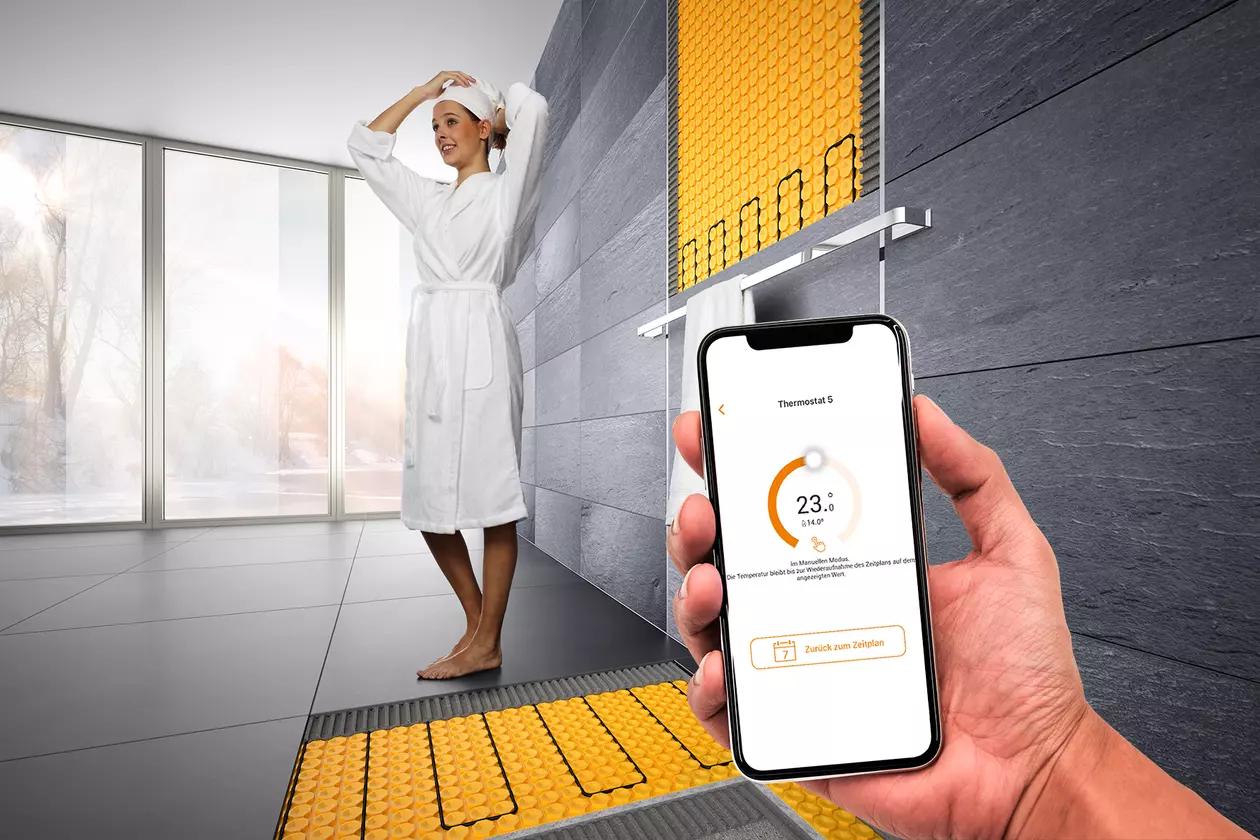
Energy saving can be incredibly easy – almost on its own if the control technology is right. Smart home solutions such as thermostats and apps make it possible to control heating cycles and consumption intelligently without having to constantly readjust settings. This intelligent technology allows you to program all parameters precisely to your daily and weekly rhythm. First thing in the morning, when the household is still asleep, or during the day when no one is at home, the heating automatically reduces its output – and starts up again just in time before you return home or start to feel cold.
Also, reduced temperature periods can be precisely set, saving you from having to constantly adjust them manually. Even the supply temperatures can be set individually to efficiently regulate the temperature in every corner of the house. And at the end of the day, it is clear: Comfort and economy are not necessarily mutually exclusive.
In water-based heating systems, the supply temperature is the temperature of the water flowing from the heat source (e.g. heat pump or boiler) through the pipes in the heating circuit. While radiators often operate at temperatures of around 60 °C, modern floor heating systems run at temperatures as low as around 30 °C. In contrast, the return temperature describes the temperature of the water that has been used and flows back to the heat source. In floor heating systems, this is typically between 20 and 25 °C. The difference between the supply and return temperatures – known as the temperature spread and measured in Kelvin (K) – is crucial for efficiency. A temperature spread of approx. 5 K is generally considered ideal and reflects an economical heating cycle setting.
A night-time temperature reduction of 2 to 5 °C may sound appealing – and can, in fact, help to save energy. But bear in mind: It is not a miracle cure and does not work equally effectively in every building.
Well insulated? In that case, it is worthwhile. Houses with good insulation have low heat loss. So in the morning, the heating system only needs a small amount of energy to reach the desired comfortable temperature. This is where night-time temperature reduction really pays: less energy consumption, no loss of comfort.
Badly insulated? It's better to check. If the heating system needs more energy to start up again in the morning, reducing the night-time temperature can actually be counterproductive. This saves energy at night – but costs more in the morning.
Conventional floor heating systems are slow to respond. Low supply temperatures ensure that temperature differences only become apparent after a few hours. In the case of short reduced temperature periods or houses that are already well insulated, a night-time temperature reduction often provides no benefit – in the worst case, it may even consume more energy to reheat the house in the morning than was saved during the night.
Our tip: Homeowners with a floor heating system should check that a night-time temperature reduction is what they actually need – rather than activating it for all rooms. Sometimes, continuous heating is both more efficient and more comfortable.
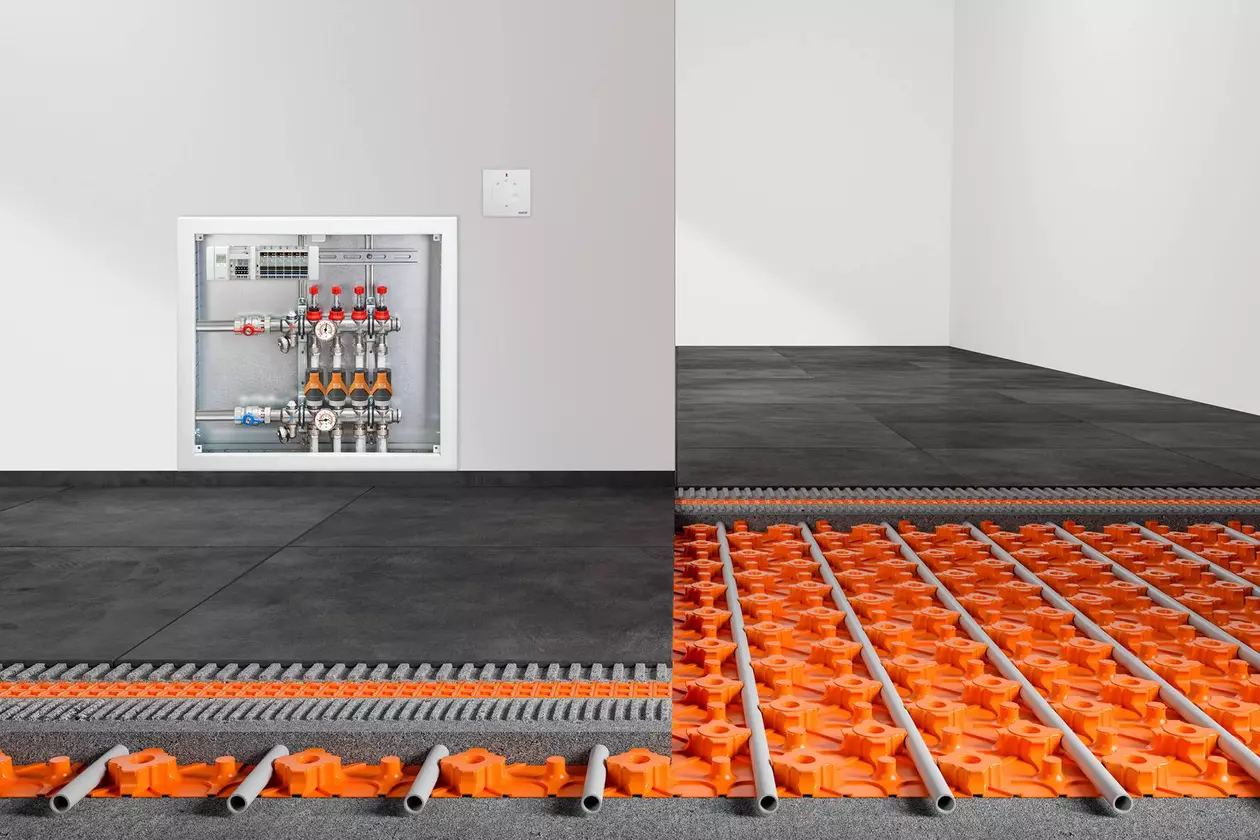
According to a study published by the Institute for Technical Building Services in Dresden, Schlüter-BEKOTEC-THERM can achieve energy savings of up to 9.5 per cent compared to conventional floor heating systems – by specifically reducing the night temperature. Thanks to its low assembly height, thin layer of screed and intelligent control technology, the system reacts particularly quickly – especially when combined with heat-conductive ceramic or natural stone floor coverings. That makes BEKOTEC-THERM ideal for night-time temperature reduction.
Reduced temperature periods help reduce energy costs. Within certain time windows, the heat output is automatically reduced by means of programming. This means, for example, that the heating warms up to a comfortable temperature in the morning before you get up, switches to night-time temperature reduction in the evening at bedtime and turns down during the day when no one is at home. Important to note: The complete restart of a large-scale heating system can consume a considerable amount of energy. Why? Because floor heating systems operate at low supply temperatures and the heating-up phase takes correspondingly longer. The thermostat is a handy tool for manually setting reduced temperature periods. This results in a heating cycle that is precisely tailored to your building and your floor heating system.

A cosily furnished living room, candles bathing the room in a warm glow, the sofa inviting you to relax – and yet there is a distinct chill in the air. Just a few simple steps can help keep the heat reliably inside the home.
An old trick, but effective: Closing the doors. This keeps the warm air where it is needed so that it does not disappear into less heated spaces such as corridors.
Windows and doors are classic points of weakness. Even small gaps can cause draughts. Checking regularly and sealing properly provides the basis for energy-efficient heating.
A well-insulated home is like a thick coat: It reliably keeps the cold out and the warmth in. Professionally insulated outside walls, a well-insulated roof and undamaged materials deliver long-term benefits in terms of comfort and cost savings.
Even at night, there is much to be gained. Closed roller blinds or shutters act as an additional layer of protection and slow down the loss of heat – especially during night-time reduced temperature periods.
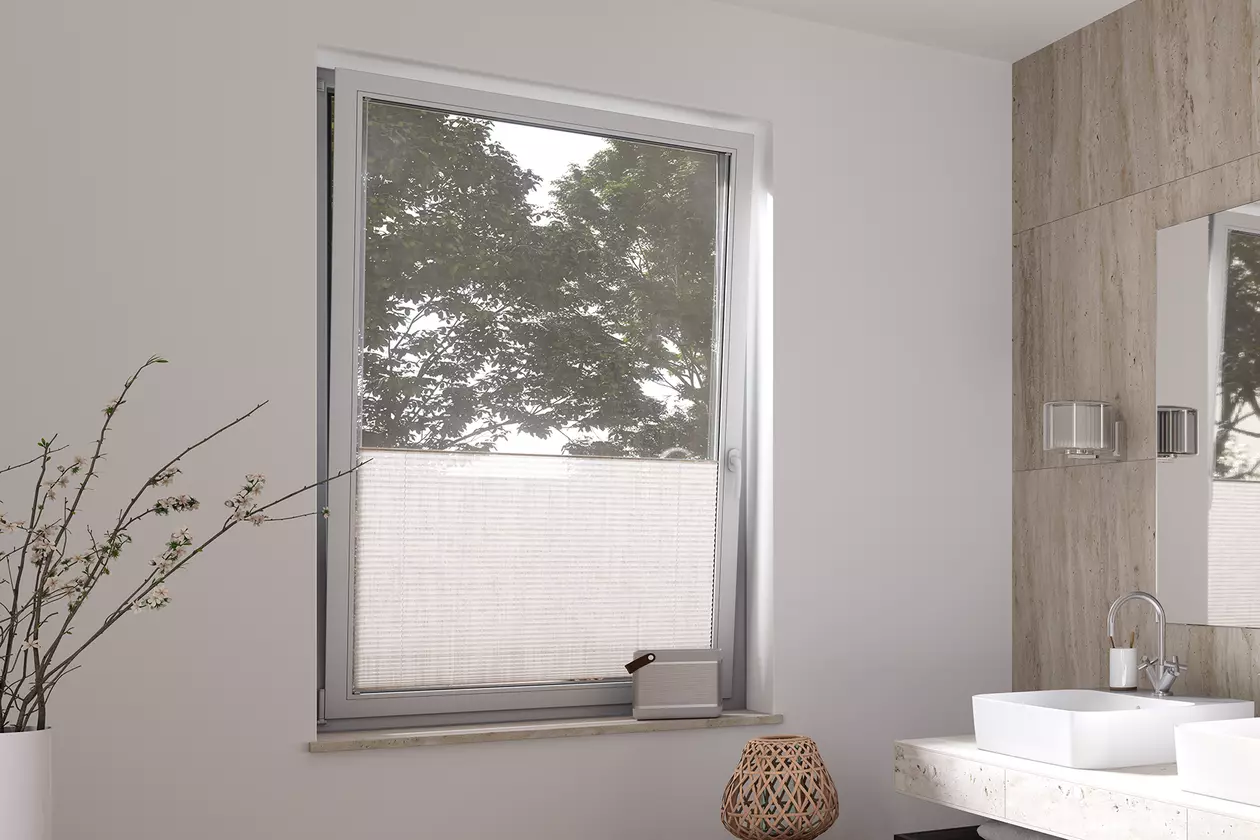
Out with the damp air, in with the fresh air, but properly: This tip applies universally – regardless of which heating system is installed. Especially in winter, regular air exchange is essential. This is because only dry, heating air can absorb the moisture that accumulates indoors and thus effectively prevent mould. An effective approach has proven to be a combination of intermittent and continuous ventilation as required.
Regularly airing rooms thoroughly or using cross ventilation completely replaces the air in the room in just a few minutes. The amount of time it takes is so short that the floor, furniture, and walls keep their heat and don't cool down. The room can then be reheated quickly and efficiently – without adjusting radiators or thermostats.
Briefly tipping the windows open only slightly increases the flow of fresh air; the windows need to be left open a lot longer for fresh air to get into the room. In some situations, such as to remove moisture that evaporates more slowly from towels or laundry, this can be useful. A window permanently tipped open, however, leads to heat loss – in this case, it is advisable to reduce the heating output in order to use energy efficiently.
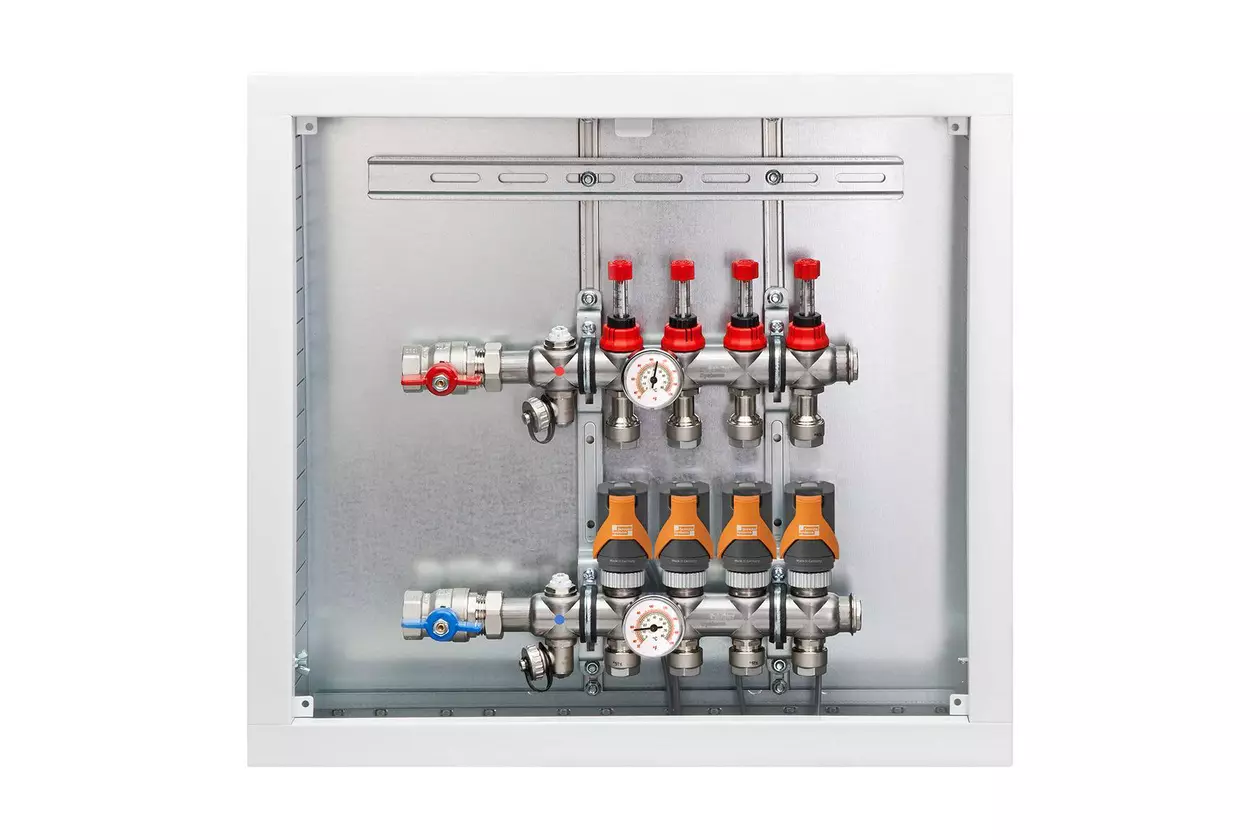
A professional check by experts protects against expensive energy losses. This allows overlooked damage, incorrect settings or sediment deposits to be detected in good time – before they become a costly problem. Heating systems should be checked at least once a year. This involves focussing on contamination, leaks, technical defects and compliance with safety standards. As a result, the system remains efficient, reliable and safe. Plus: Repairing minor defects in good time prevents major repairs. This protects against material fatigue, extends the lifespan of the system – and saves on costs.
A general rule of thumb: It is better to act sooner rather than pay more later.

