Schlüter-DILEX-MOP  PVC expansion joint profile

Schlüter-DILEX-MOP is a profile consisting of sturdy, serrated lateral sections made of PVC-U (rigid PVC) and a central movement zone made of PVC-P (flexible PVC).

Where to buyCAD drawing requestsData sheet
  • Foot traffic
  • Shopping carts
  • Cars
  • Pallet trucks
  • Trucks (max 25 t)
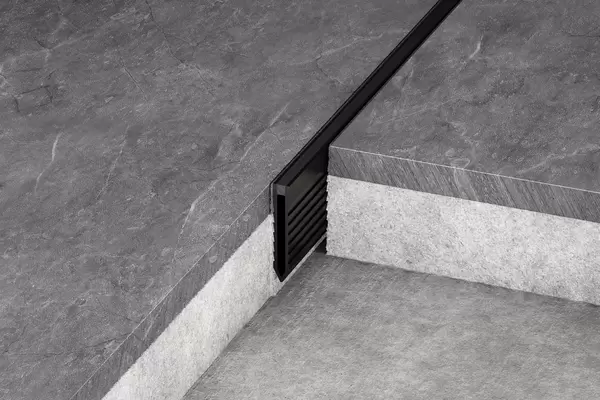
Product image DILEX-MOP 1©Schlüter-Systems KG
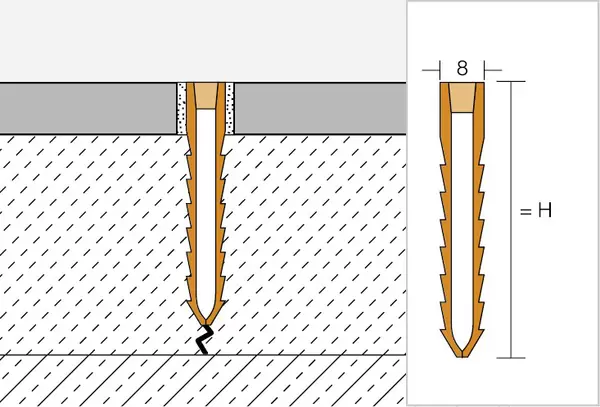
Cross-section drawing DILEX-MOP 1©Schlüter-Systems KG
zoom_out_map search
Product image DILEX-MOP 1
Cross-section drawing DILEX-MOP 1


  •  


  •  


  •  


  •  


  •  


  •  


  •  


  •  


  •  


  •  


General product information

Schlüter-DILEX-MOP is a profile consisting of sturdy, serrated lateral sections made of PVC-U (rigid PVC) and a central section made of PVC-P (flexible PVC). The profile is available in four different heights and is used as a movement joint in coverings made of pavers, ceramic tiles, natural stone slabs and artificial stone slabs.

The DILEX-MOP 25 profile is particularly suitable for coverings laid using the vibration method with a medium-bed mortar.

The DILEX-MOP profile, available in heights ranging from 35 to 65 mm, is designed for coverings laid using mortar. The DILEX-MOP profile separates the individual covering sections and, thanks to its PVC-P central section, can absorb minor compressive stresses. However, the profile cannot absorb any tensile stresses that may arise as it does not have any lateral frictional anchoring.

In the event of mechanical stress caused by warehouse traffic, the side flanks of the PVC-U profile protect the edges of the adjacent coverings. Please bear in mind the limits of the mechanical strength of PVC profiles when using them as edge protection.

The lateral profile sections, which are made of PVC-U, may show slight variations in colour. The profiles are therefore primarily intended for industrial applications.

The DILEX-MOP profile can also be hammered into joints cut retrospectively or inserted into wider joints during refurbishment work. The remaining space must be carefully filled with grout or epoxy.

  1. Select the profile height to match the height of assembly.
  2. Lay the profile flush with the edge of a completed covering section. The profile must be fully embedded in mortar along its entire length.
  3. Install the adjacent covering area so that it is flush with the profile and embed it across its entire surface.
  4. Finally, fill the remaining gap between the profile and the covering with grout.

Installation note on joint repair:

Fit or tap the profile, adjusting its width and depth to match the prepared joint chamber. Fill the joint between the profile and the covering with grout, epoxy resin or adhesive mortar.

The DILEX-MOP profile consists of a combination of materials, with lateral sections made of PVC-U and the top section made of PVC-P, which acts as a movement zone.

Material properties and areas of application

The profile is resistant to the chemical stresses typically encountered in tile coverings.

Check on a case-by-case basis whether the intended material type is suitable for the expected chemical, mechanical or other stresses.

The DILEX-MOP profile is used as an expansion joint in tile and paver coverings laid using either a mortar bed or vibrating method. The profile separates the individual installation segments and compensates for low compressive stresses in the PVC-P central section.

The DILEX-MOP profile is designed to be resistant to fungi and bacteria and requires no special care or maintenance. It is simply cleaned while cleaning the tile covering. We recommend using commercially available household cleaners for this.